The Benefits of Craniosacral Therapy
Benefits of Craniosacral Therapy for Horses
Is your horse showing signs of tension, anxiety, or unexplained behavioral changes? Craniosacral Therapy (CST) offers a gentle yet powerful way to support your horse’s nervous system, release hidden restrictions, and restore natural balance from the inside out.
What is Craniosacral Therapy?
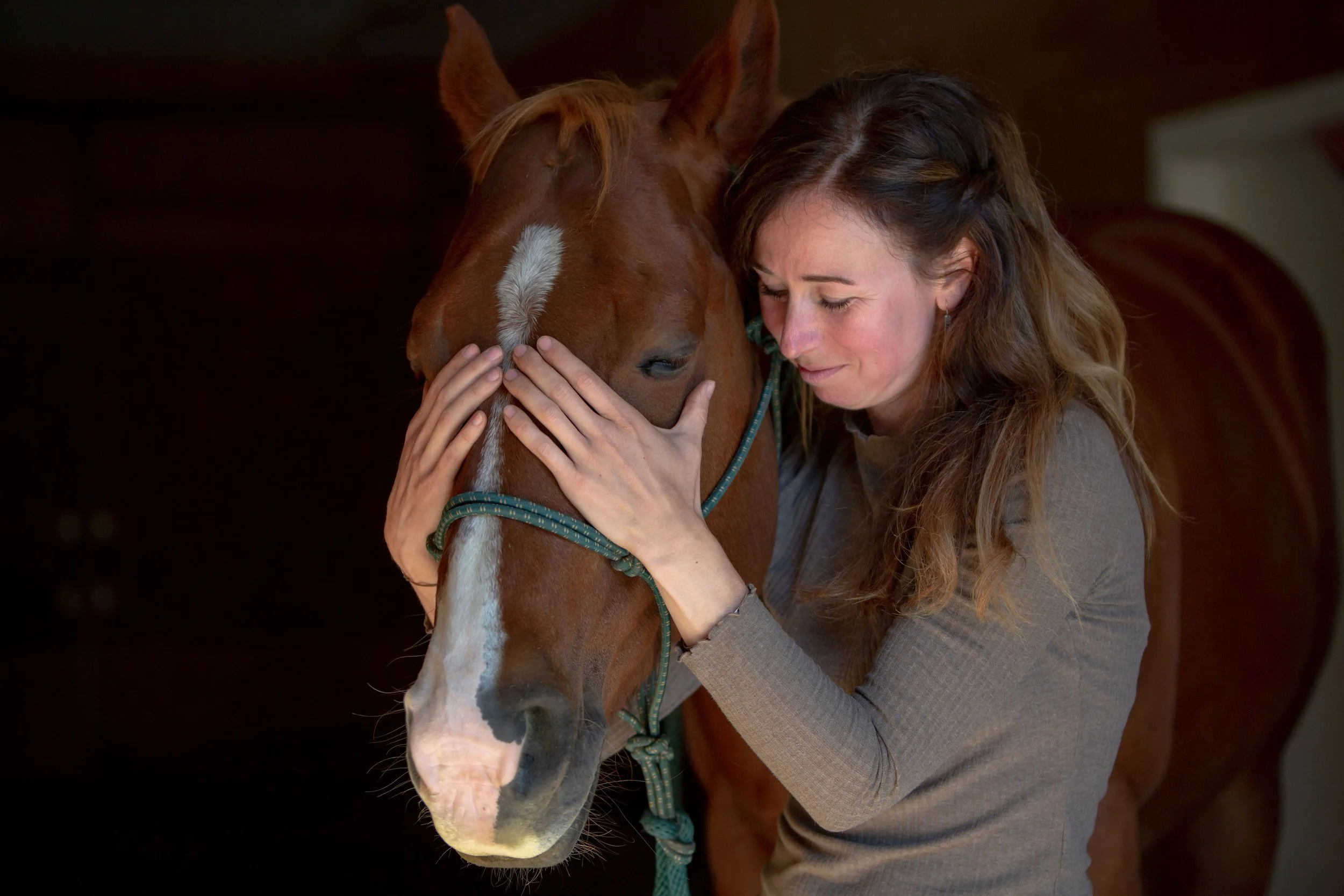
Craniosacral Therapy (CST) is a gentle, non-invasive osteopathic technique that supports regulation and vitality in the horse’s body. It focuses on the craniosacral system - a dynamic system made up of:
- The cranium (skull)
- The sacrum (pelvic base)
- Cerebrospinal fluid (CSF)
- Protective membranes that surround the central nervous system
These core structures are connected by fascia, ligaments, and subtle rhythms that influence your horse’s entire body and form a continuous “core link” from the cranium to the sacrum.
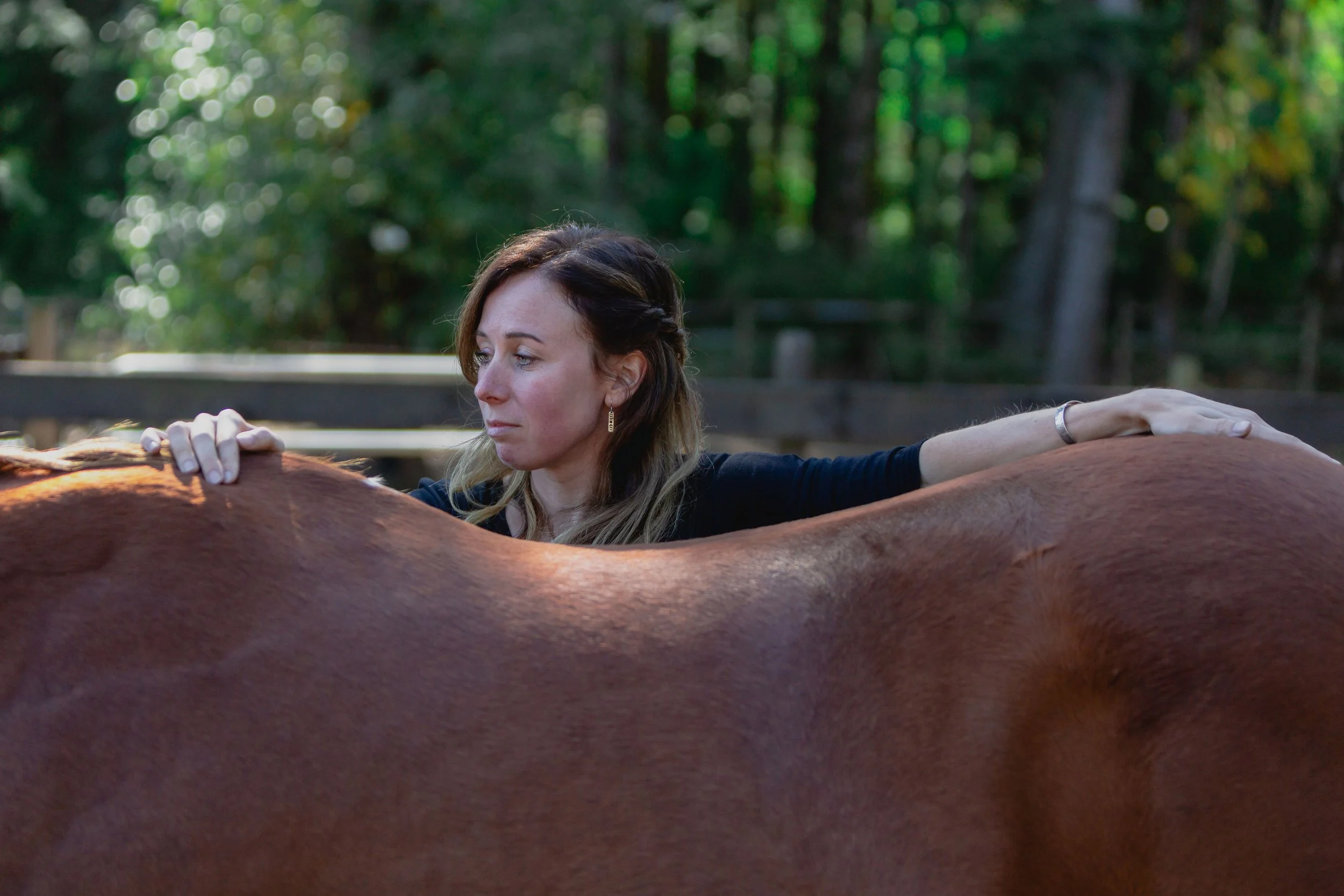
Because of this deep anatomical connection, mobilizing the bones of the skull can influence the sacrum and pelvis and vice versa. This interplay highlights the profound interconnectedness of the body, where fascia, muscles, ligaments, nerves, and fluid systems are all in communication.
Nervous System Support & Whole-Body Balance
Craniosacral work engages directly with the autonomic nervous system - the part of the nervous system that controls automatic functions like heart rate, digestion, and stress response.
By assessing and gently influencing the craniosacral rhythm, we can:
- Regulate the flow of cerebrospinal fluid
- Enhance nerve function
- Release tension patterns in the body
This work encourages the body to shift into a parasympathetic state - also known as the “rest and digest” mode. It’s in this state that regulation and integration occur, and where the feeling of relaxation and safety can be restored.
CST Can Be Especially Helpful for Horses Showing:
- Nervousness or hypervigilance
- Behavioral shutdown or disengagement
- Horses with a history of trauma, injury, or surgery (including castration)
- Horses with head-shyness or poll tension
- Unexplained tension, bracing, or asymmetry
- Digestive issues or ulcers
The Role of the Vagus Nerve
Our goal is to engage the parasympathetic nervous system, primarily supported by the vagus nerve, the main parasympathetic pathway originating in the brainstem. It is central to your horse’s ability to feel safe and relaxed, and plays a key role in CST.
By helping the body shift out of fight/flight or freeze responses, we support the full completion of stress cycles. This allows your horse to reconnect with their innate resilience and calm.
The vagus nerve has two key branches:
Ventral vagal branch: Supports social engagement, regulation, and connection. It innervates the face, throat, ears, and heart - playing a key role in how a horse perceives and responds to its environment.
Dorsal vagal branch: Supports rest, digestion, and system conservation. However, in states of extreme stress, this branch can trigger a freeze or shut-down response, overriding both sympathetic (fight/flight) and ventral vagal activity. When shutdown occurs, the stress cycle becomes incomplete, and the body holds onto trauma.
Completing the Stress Cycle
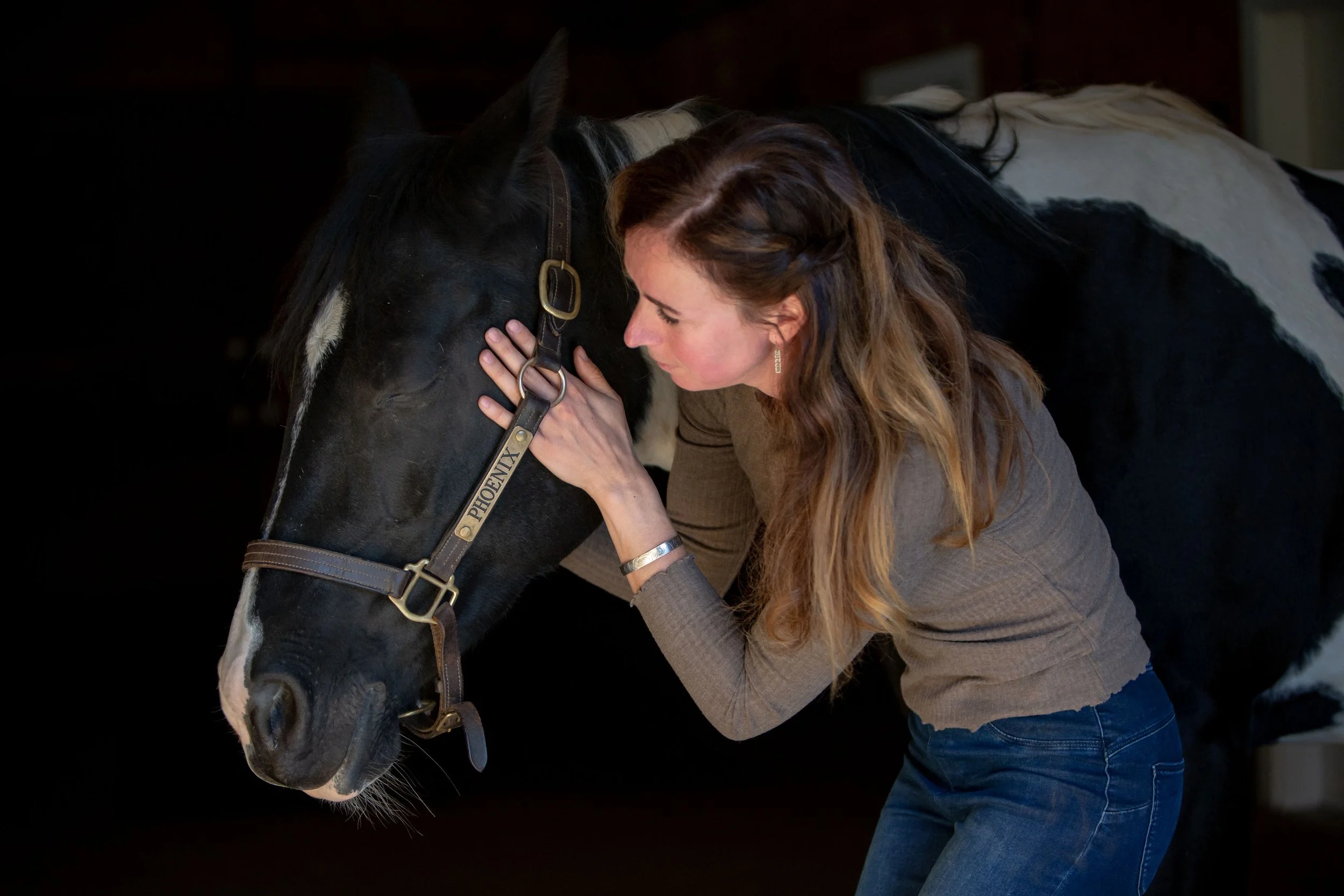
During craniosacral work, horses have the opportunity to experience neuroception of safety - the nervous system’s unconscious detection of a safe environment.
This allows:
- The dorsal vagal branch to return to a healthy, low-tone state
- The ventral vagal system to re-engage
As a result, stress responses can complete, and the horse returns to a more balanced and responsive state.
Why Horses Respond So Well to Craniosacral Work
- Regulates the nervous system - Encourages a shift out of stress and into the parasympathetic “rest and relax” state
- Closes stress cycles - Processes stored trauma in a grounded, safe way
- Enhances mobility and biomechanics - Frees restrictions in fascia and joints
- Always gentle and respectful - Consent-based and trauma-informed. Your horse leads the way
Let Your Horse Feel Safe in Their Body Again
Whether you’re supporting your horse through recovery, looking to deepen your connection, or simply want to offer a profoundly nurturing experience, craniosacral therapy is a beautiful place to begin.
While craniosacral therapy is based on osteopathic principles and widely used in both human and equine wellness fields, its effects are still being explored in scientific research.
The results, however, speak volumes in the horses themselves.