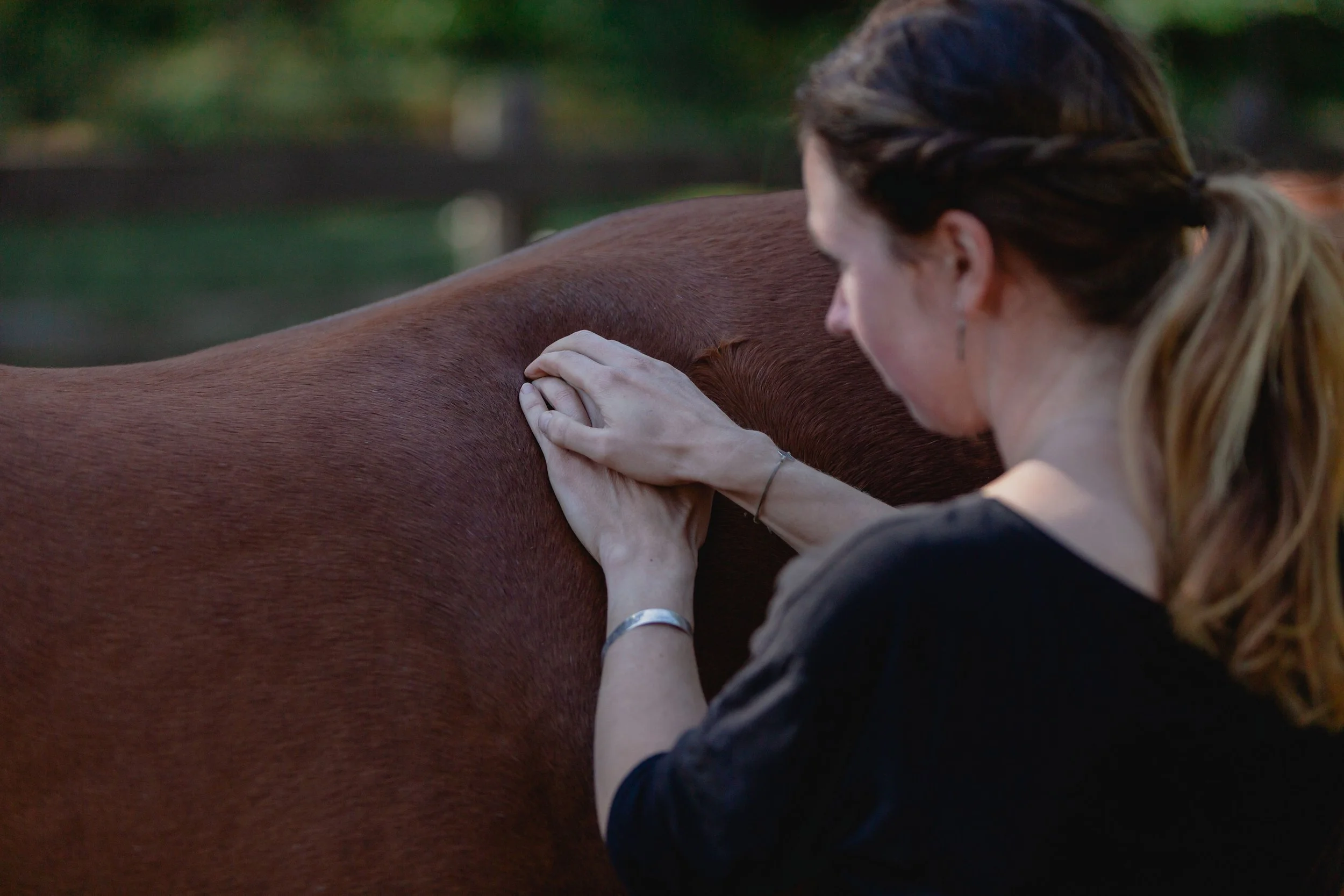
Castration Trauma from a Visionary Equine Osteopathy® (VEO) Perspective
Julia is a certified VEO Therapist and studied under Selina Doerling in Germany.
Castration is often regarded as a routine procedure. But for the horse, it can represent a profound physiological and emotional trauma with lasting imprints on the nervous system and the horse’s physiology. The method developed by Selina Dörling (Germany) within the framework of Visionary Equine Osteopathy (VEO) is an osteopathic, trauma-informed approach specifically designed to address this trauma and supports long-term resolution and reintegration.
VEO and Equine Link are not anti-castration - we are Pro-Awareness.
While we acknowledge the practical realities of modern horse-keeping, we challenge the narrative that castration is harmless.
- Dismissive attitudes can perpetuate trauma
- Prevention is ideal - but informed aftercare is essential
- Even years later, stored trauma can be addressed, witnessed, and resolved
How Visionary Equine Osteopathy Works
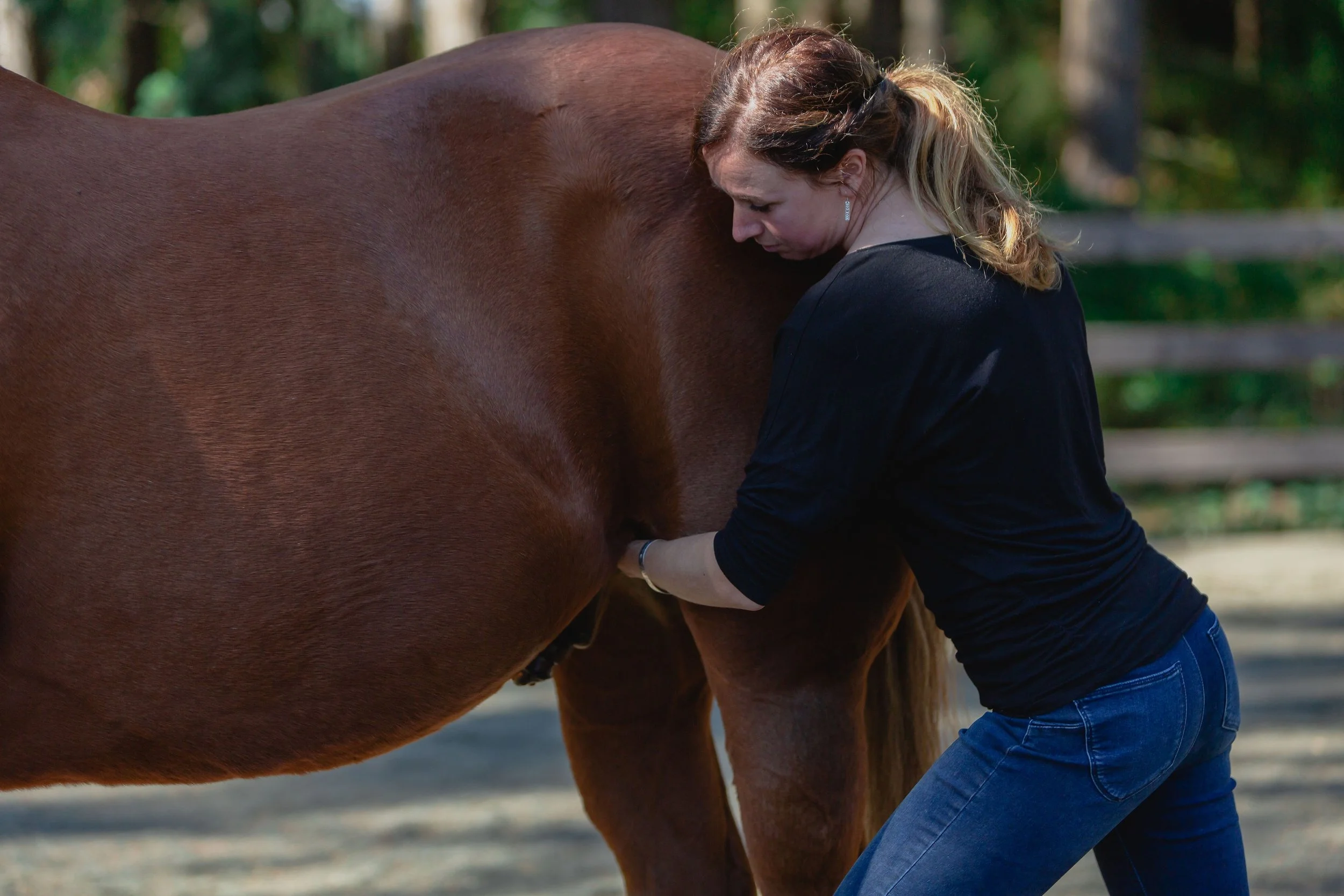
VEO is a comprehensive therapeutic method that uses fascial, visceral, and energetic techniques - developed specifically for horses, not adapted from human osteopathy.
- Sessions aim to discharge stored shock through biodynamic movement, activate the abdominal muscles, and restore communication between the nervous system and musculoskeletal system
- Each horse is treated as an individual, with the session guided by their responses and needs
- VEO restores physiological tensegrity, re-establishes ventral line function, and reconnects the pelvis with the rest of the body
This work can be especially helpful when movement dysfunctions, behavioral resistance, or training challenges persist despite good care, training, nutrition, and hoof integrity.
The Pelvis: Core of Power and Identity
The Pelvis is more than a skeletal structure. It holds key functions of:
- Vitality, security, self-expression
- Forward movement, and fight/flight responses
- Natural drive, autonomy, and sexual energy
From an osteopathic and neurobiological perspective, castration can result in:
- Shock to the nervous system: Anesthesia overrides the flight response, often leaving the horse in a state of neurological freeze
- Disruption in fascial and energetic integrity: Severing the spermatic cord, blood vessels, and fascia creates trauma in the area most closely tied to movement, and identity.
- Loss of connection to the hindquarters: Many geldings become physically and emotionally “disconnected” from their hindquarters
- Topline overcompensation: A weakened ventral line forces the dorsal line to bear excess strain, resulting in postural stress and collapse
Even when the external scar has healed, unresolved shock often remains stored in the tissue - surfacing years later as movement issues or emotional dysregulation.
Common Symptoms of Castration Trauma:
- Chronic cough or respiratory issues (e.g. COPD)
- Gastrointestinal dysfunction
- Hormonal and metabolic imbalances
- Recurrent laminitis or arthritis
- Weak ventral line/tense dorsal line
- Unexplained lameness
- Hind-end weakness or forehand heaviness
- Impaired breathing due to fascial restrictions or diaphragm dysfunction
Psychological & Behavioral Signs
- Apathy, sluggishness, or shutdown
- Lack of presence or body awareness
- Constant or suppressed appetite
- Hyper-vigilance or chronic stress
- Difficulty connecting emotionally to humans or herd
- Short attention span or poor focus
- Resistance to training, collection, or engagement of the hindquarters
What’s Happening Inside the Body?
Anatomical & Neurological Disruptions
Castration impacts:
- The cremaster muscle – an extension of the internal oblique abdominal muscle
- The deep abdominal fascia and peritoneum, which connect to the spine, pelvis, and diaphragm
- The psoas muscle group, essential for posture and forward movement
These disruptions can impair:
- Power transfer from the hindquarters
- Breathing and diaphragm function
- Organ mobility and overall metabolism
Neurological Consequences
Castration may affect nerve branches involved in:
- Abdominal muscle activation
- Pelvic and bladder function
- Autonomic nervous system control
…which can result in fragmentation or disconnection in the horse’s nervous system.
Mares Can Be Affected Too
Though the castration procedure is exclusive to stallions, mares are not immune to this type of trauma:
- Hormonal manipulation
- Forceful or unwanted breeding attempts
- Reproductive trauma (e.g. difficult foaling, ovarian tension)
Symptoms in mares may include:
- Irregular heat cycles
- “Marish” behavior
- Tension in the abdominal fascia
- Disrupted gut flora and ovary positioning