Equine Osteopathy Sessions
Investment
Stand-alone Appointments
Initial Assessment
$225.00 + GST
Travel fees may apply
- Initial Assessment, treatment, and integration
- Written report summary following the third session along with ongoing case consideration and planning.
Follow-Up / Routine Session
$160.00 + GST
Travel fees may apply
Focused treatment sessions supporting mobility, regulation of the nervous system, and continued progress.
Care Bundles
In my experience, horses benefit most from an initial series of sessions. Working over time allows the body to integrate changes more fully, supporting longer-lasting and more meaningful results.
New Client Bundle
$525.00 + GST
Includes:
- 1 Initial Assessment
- 2 Follow-Up Sessions
- Written report summary following the third session along with ongoing case consideration and planning.
This bundle supports a complete initial treatment phase, allowing for assessment, response, and integration over time.
Existing Client Bundle
$450.00 + GST
Includes:
- 3 Follow-Up Sessions
- Written report summary following the third session along with ongoing case consideration and planning.
Designed for ongoing care and continued development, supporting consistency and progression between visits.
Please note:
Prepayment is required for all bundles. Booking in advance allows me to reserve appropriate time frames for your horse and ensure continuity of care.
To my current and future clients,
Each session is priced to reflect the level of care provided, including my training, experience, and the time dedicated to each horse both during and beyond the appointment.
Most horses benefit from consistent follow-up, which is why many clients choose to work within a bundle. This allows me to plan appropriately for your horse while also offering more favourable pricing through improved scheduling efficiency.
How Long Does a Session Last?
Session length varies depending on your horse’s individual needs. Because all sessions are consent-based, the timing is guided by how long your horse is able and willing to receive support. Your horse’s comfort and capacity are always prioritized.
Before our first session, you’ll receive an Intake Form where you can share key information such as your horse’s history, nutrition, exercise routine, husbandry practices, and your goals for your partnership. This helps us make the most of our time together.
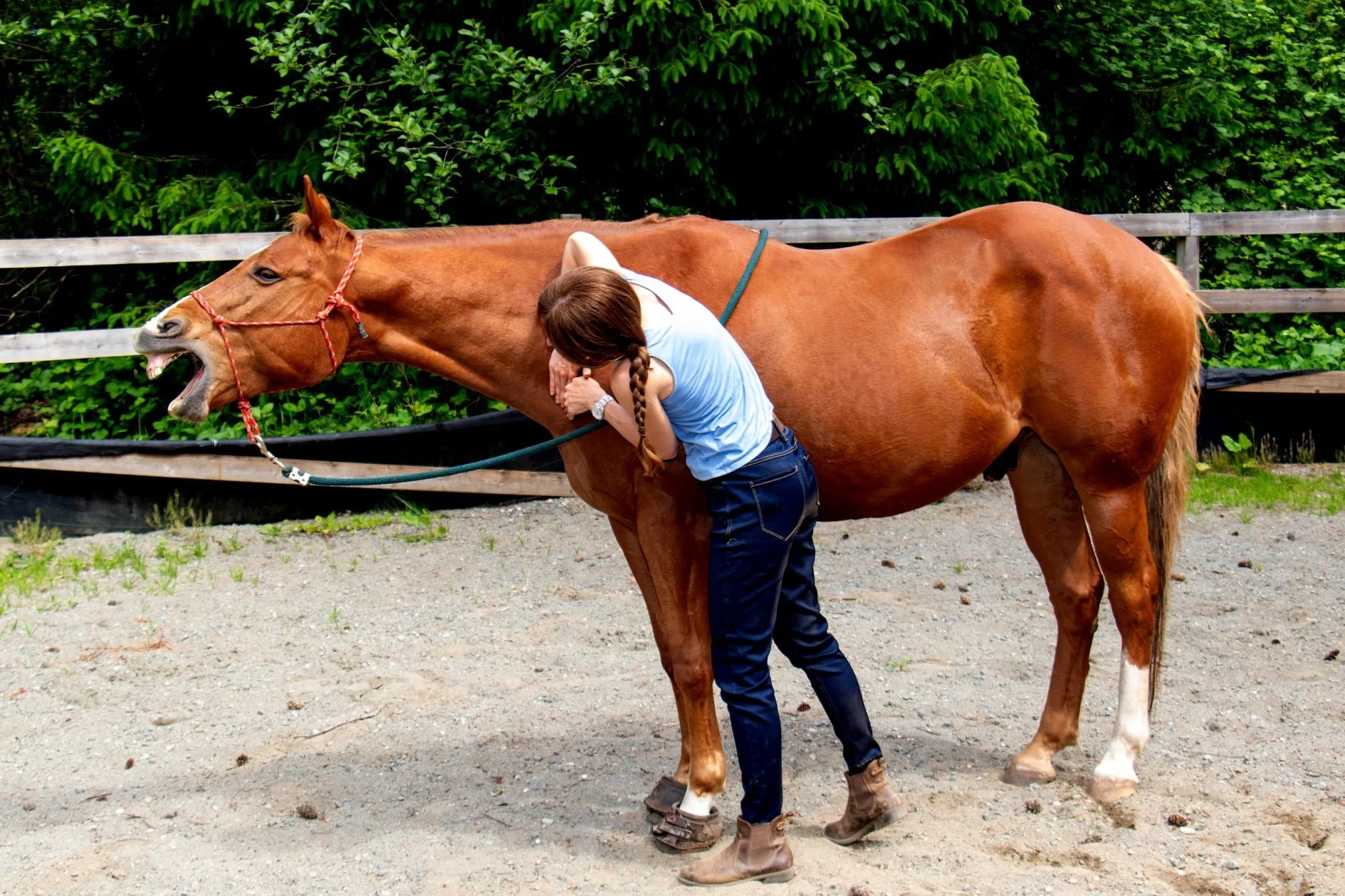
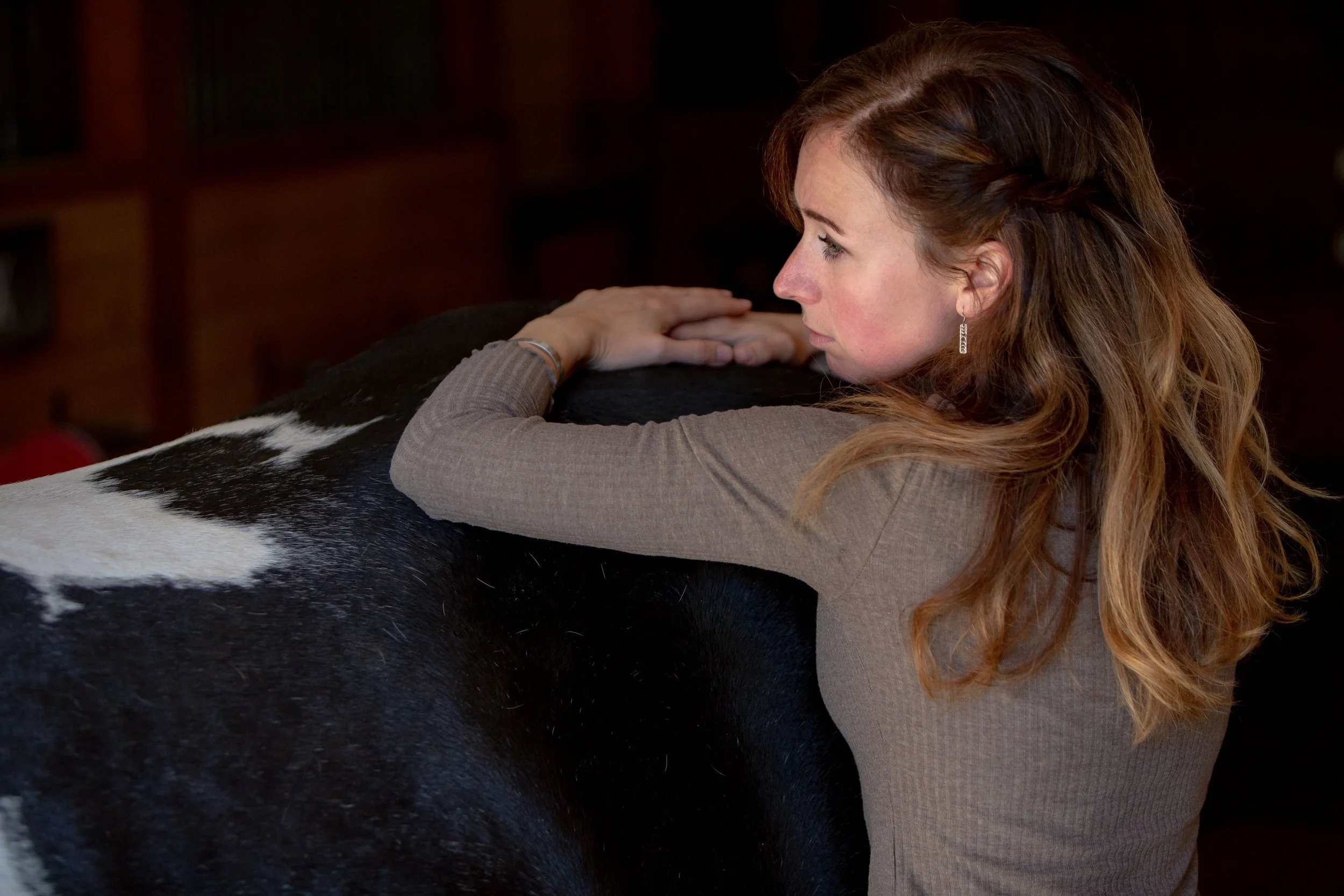
Initial sessions include an assessment of your horse’s movement and key areas of restriction - be that physical or emotional - and aim to restore balance and communication between the hindquarters, thorax, and head - the three central units of the horse’s body. When these are aligned, the horse becomes centered, creating the foundation for healthy biological processes and functional movement.
Please allow 1.5 to 2 hours for the first appointment.
It’s recommended not to ride your horse the day after the session to allow time for integration. Gentle movement, such as turnout or hand-walking, is encouraged.
Follow-up or maintenance sessions generally last around 60 minutes. Since the three units of the body (head-thorax-hindquarters) have found more alignment in the initial assessment session, I am now provided with clues to the areas that need some extra support.
What Are the Benefits of Bodywork?
As prey animals, horses are highly skilled at compensating for discomfort, often masking pain until compensation is no longer possible. Bodywork is a powerful preventative tool, offering early detection and support before more serious issues arise.
Some of the many benefits of bodywork include:
- Release of deep-seated physical and emotional tension
- Enhanced circulation and lymphatic flow
- Improved respiratory function
- Stabilized metabolism
- Increased emotional resilience and reduced anxiety
- Reduction or resolution of symptoms such as colic, coughs, fecal water, and eczema
- Improved posture and biomechanics
- Reduced strain on muscles, fascia, tendons, and ligaments
- Greater range of motion and flexibility
- Injury prevention and long-term vitality support
- Increased engagement, curiosity, and motivation
What modalities do you use in your sessions?
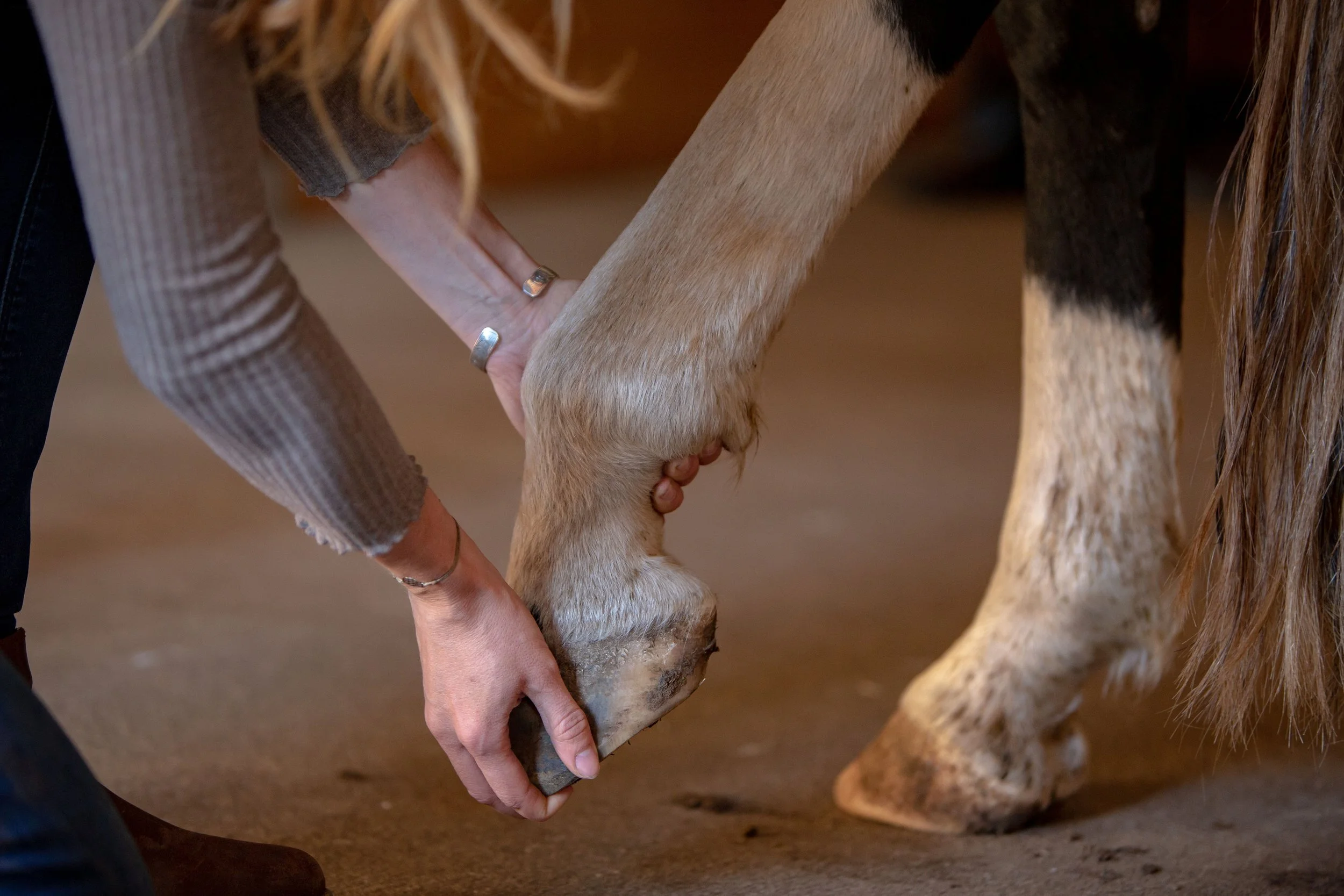
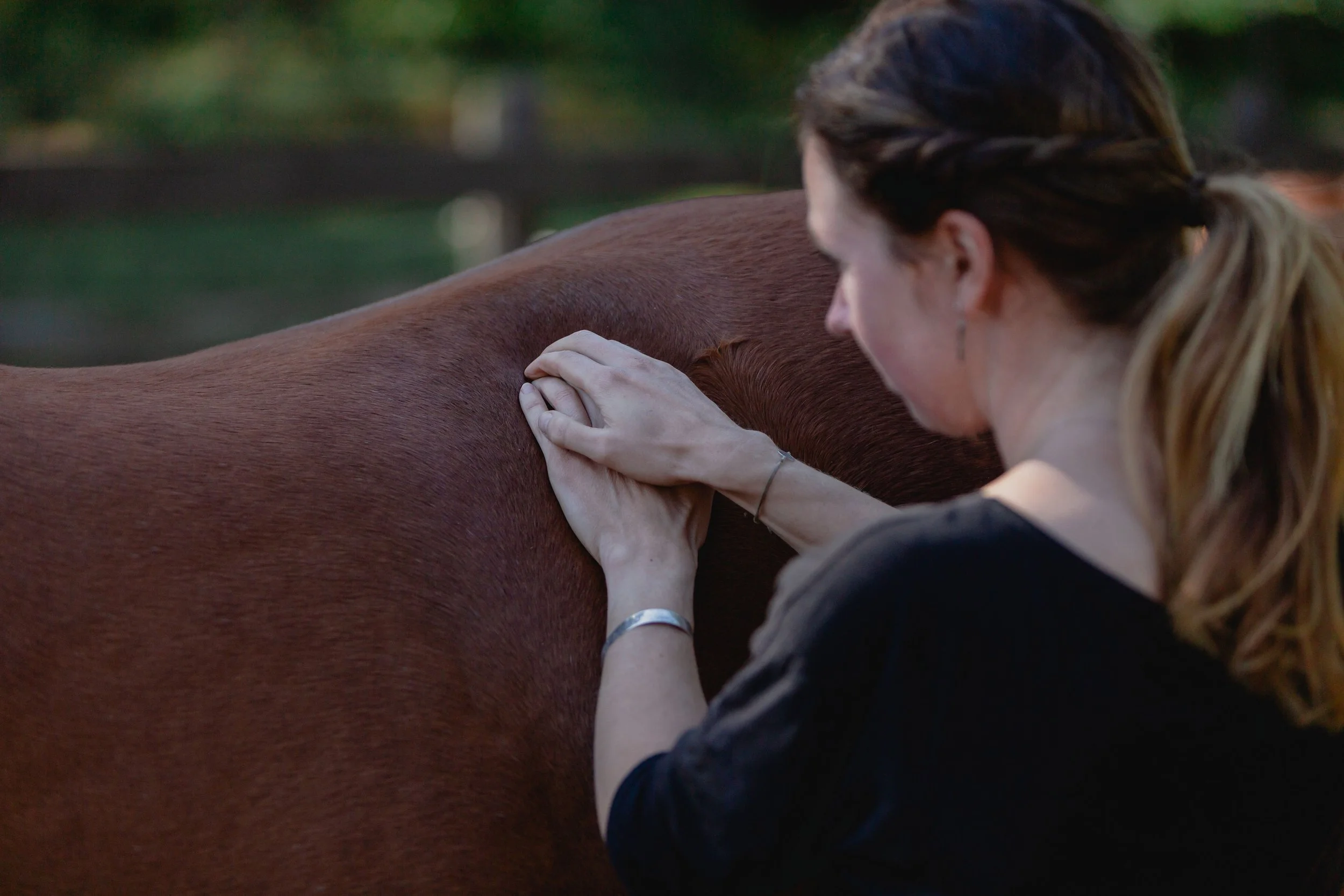
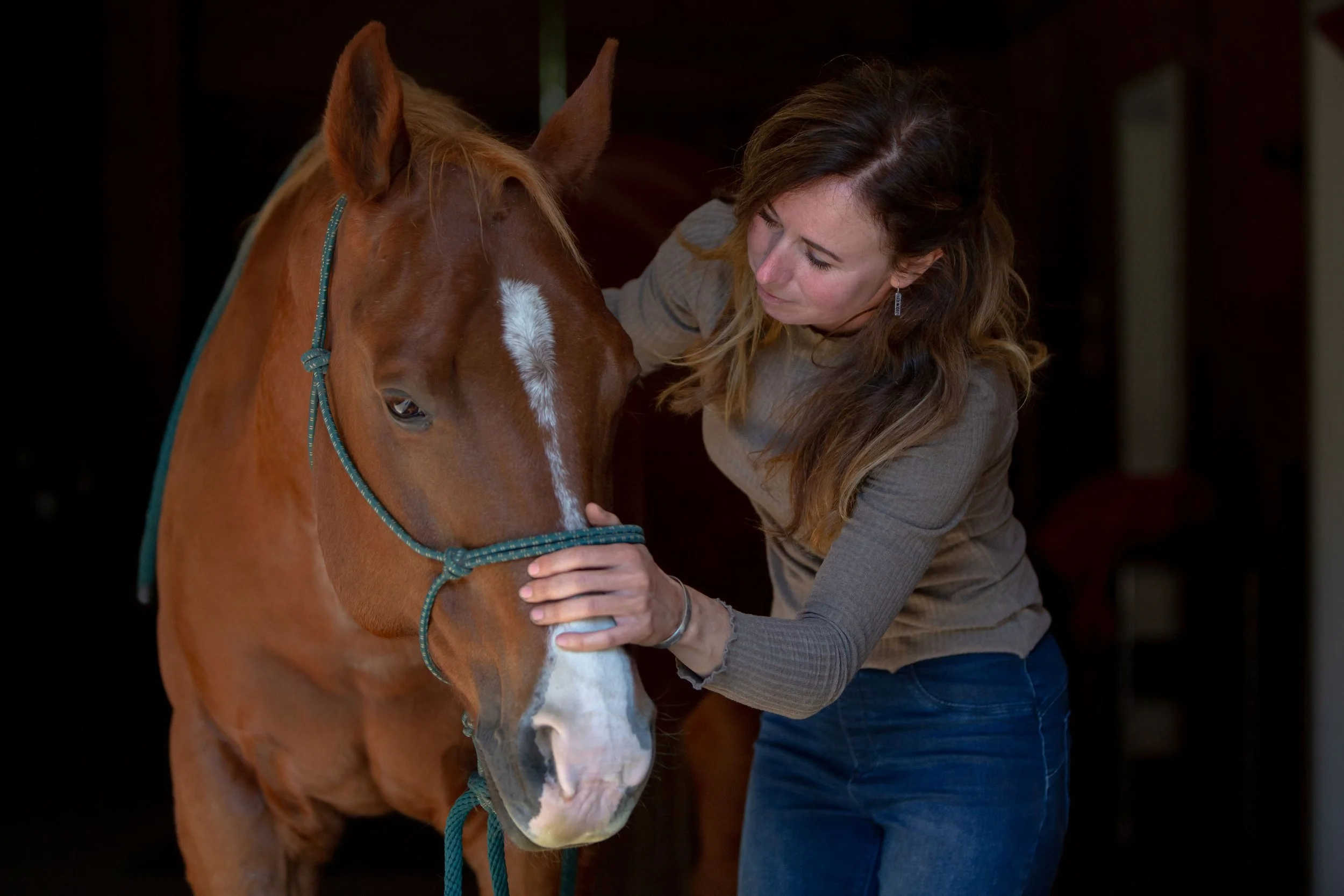
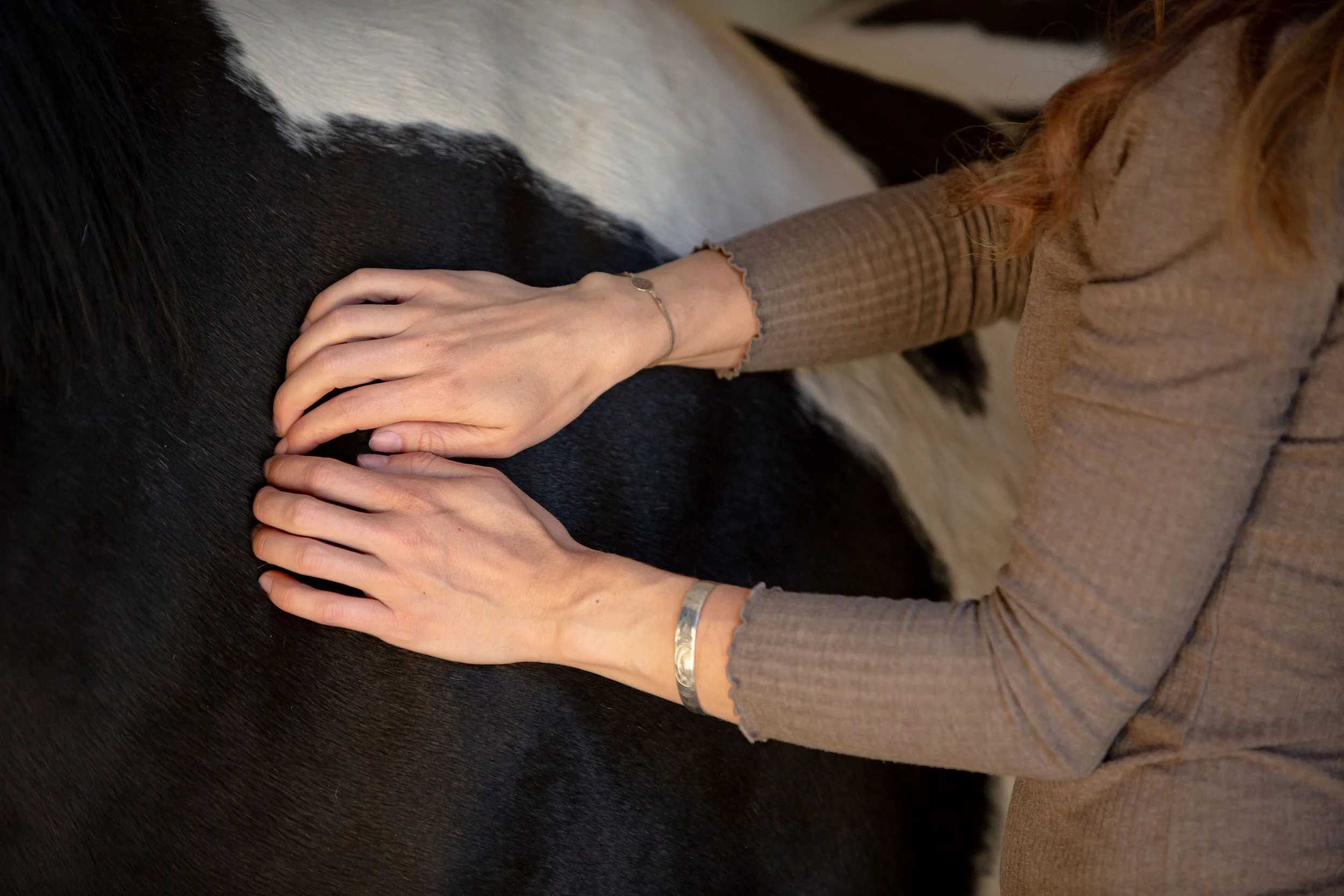
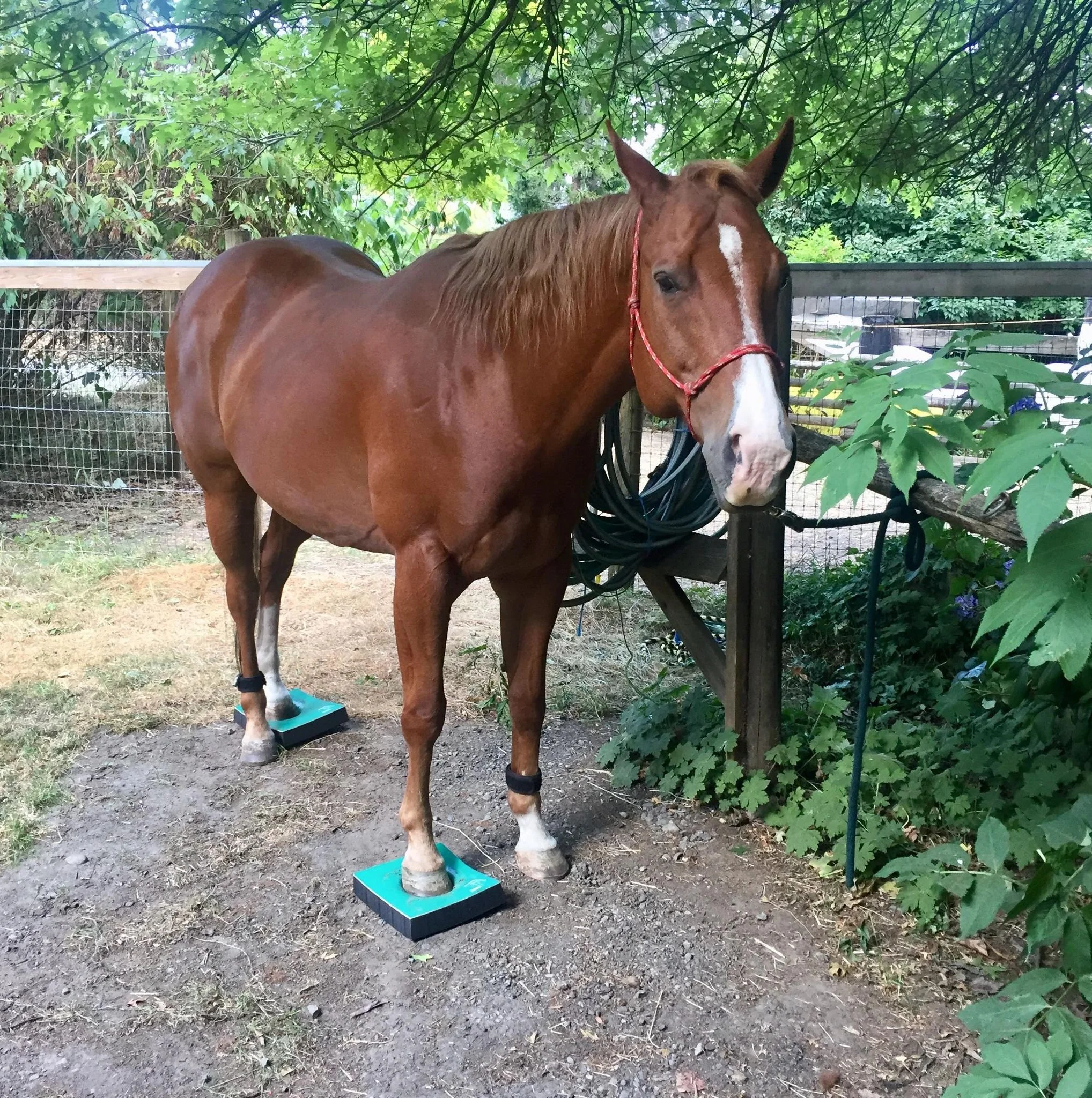
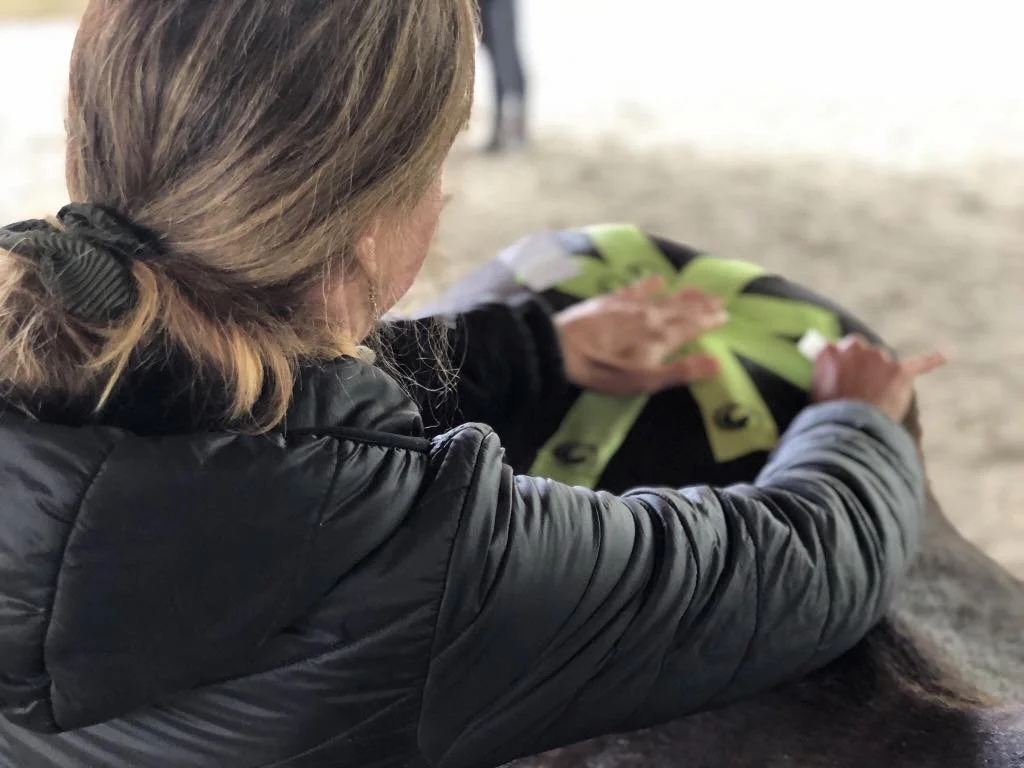
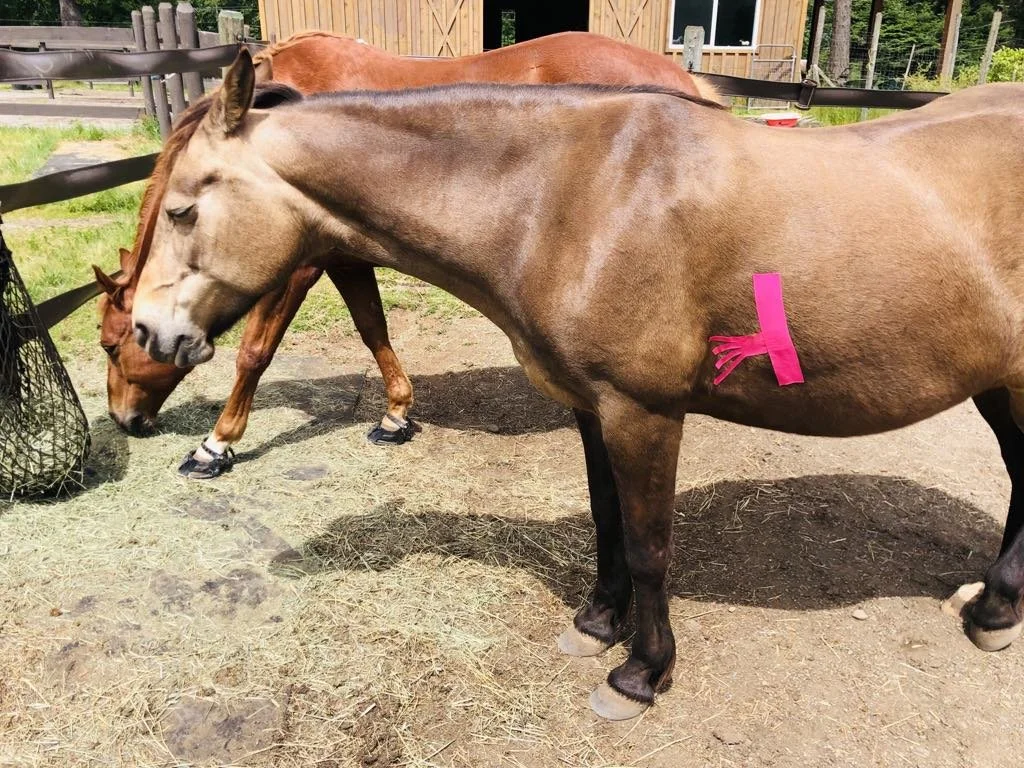
My approach is holistic and therapeutic, utilizing gentle and non-invasive methods of assessment and mobilization. Osteopathic/Cranial-sacral techniques, fascial release, stresspoint release, massage, proprioceptive tools and kinesiology taping are some of the modalities used within a session.
How do I best prepare my horse for bodywork?
To ensure the most effective session, it’s ideal that your horse is dry at the time of treatment.
If your horse follows set feeding times, try to schedule the session shortly after a meal. Horses who are hungry are often in a sympathetic (stressed) state, making it hard for them to focus and relax. Alternatively, you can offer a small snack, such as a flake of hay, just before the session to help them settle.
What others considerations should I keep in mind?
Creating a calm, familiar environment is essential for your horse to feel safe and receptive during the session. Ideally, the session should take place in a quiet space where your horse is comfortable and able to move freely if they feel the need.
Avoid scheduling sessions around regular feeding times, as this can cause distraction or tension.
I typically do not work on horses in cross-ties, and I prefer that horses are not tied at all during bodywork. This allows for biodynamic movement and more natural behavioral feedback, helping me better understand how your horse is processing the session. It also gives your horse the freedom to fully relax - such as dropping their head or softening their topline - which is essential for the effectiveness of the work.
Whenever possible, please plan sessions for a time when your horse can avoid strenuous work the following day. The nervous and musculoskeletal systems continue to integrate the changes made during the session well after it ends, and rest supports that process.